



Not every basketball coach enjoys working with beginners, and I understand why. When a child already knows how to dribble, pass, shoot, and follow instructions, a coach can move through activities more quickly. There's already a foundation to build upon, and progress is often easier to recognize.
But when a child is just beginning, the work looks very different.
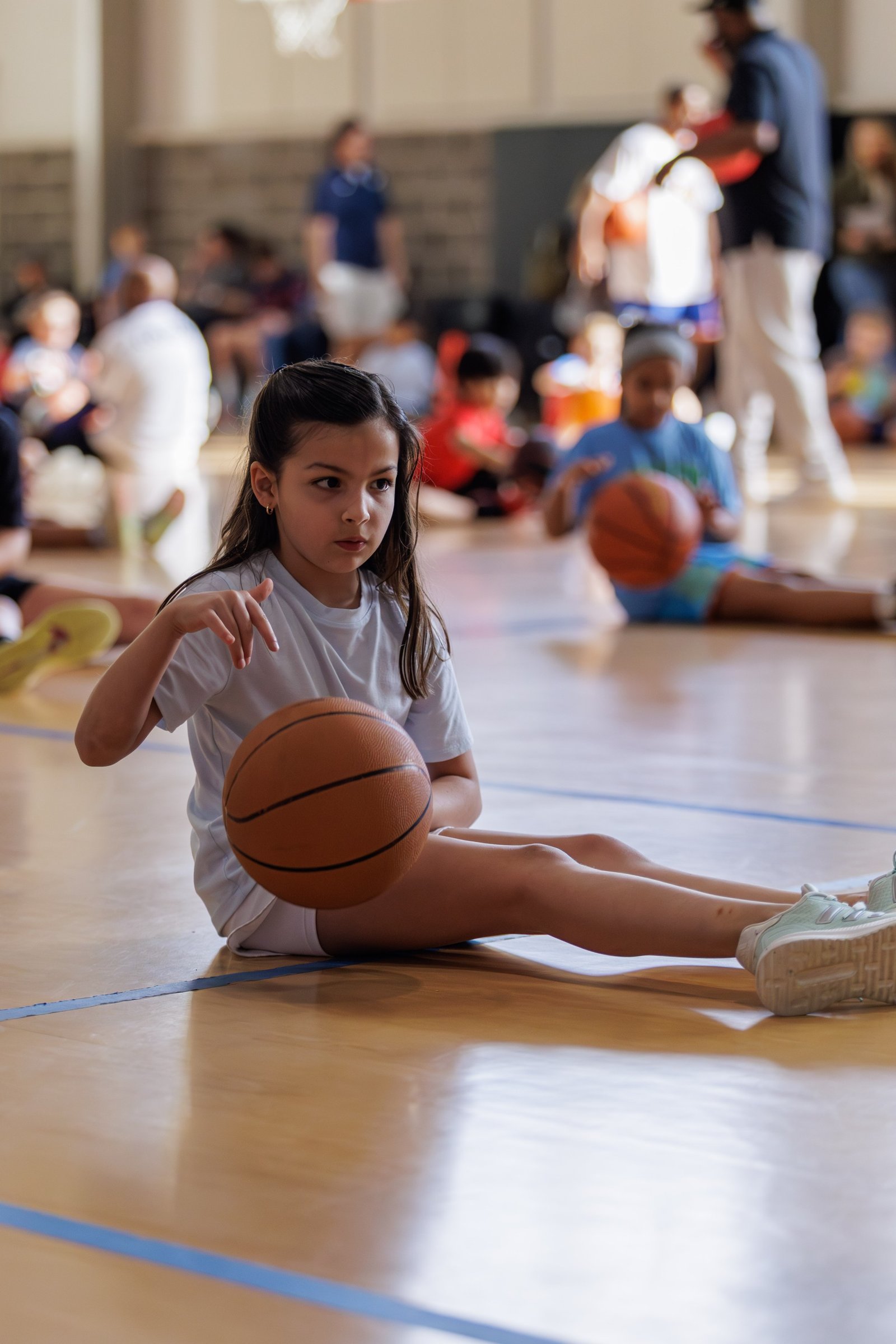
You might spend an entire class helping a child learn to dribble without looking down, or demonstrate the same movement several times only to watch them struggle with it again the following week. For some coaches, that process can be frustrating. For me, it's one of the most important parts of teaching basketball.
After all, before a child can become a skilled player, someone has to teach them the skills they haven't developed yet.
Teaching Beginners Requires More Than Patience
We often hear that a good coach needs patience, and while that's certainly true, patience alone doesn't make someone an effective teacher. A coach can repeat the same instructions for weeks without ever helping a child understand what they're supposed to do.
Sometimes the problem isn't that a child isn't listening or trying hard enough. It may simply be that the coach needs to explain or demonstrate the skill differently.
For example, one beginner might struggle with shooting because they haven't yet developed the coordination needed to perform the movement. Another might have difficulty dribbling because they're still learning to control their hands while moving their feet. Although both children are learning basic basketball skills, they may need very different approaches to instruction.
That's where good coaching makes a difference. It requires recognizing what a child can already do, identifying where they're struggling, and determining what to teach next. A coach needs to know when to slow down, when to change an activity, and when a child is ready for a greater challenge.
Patience gives a child time to learn, but good teaching helps them use that time productively.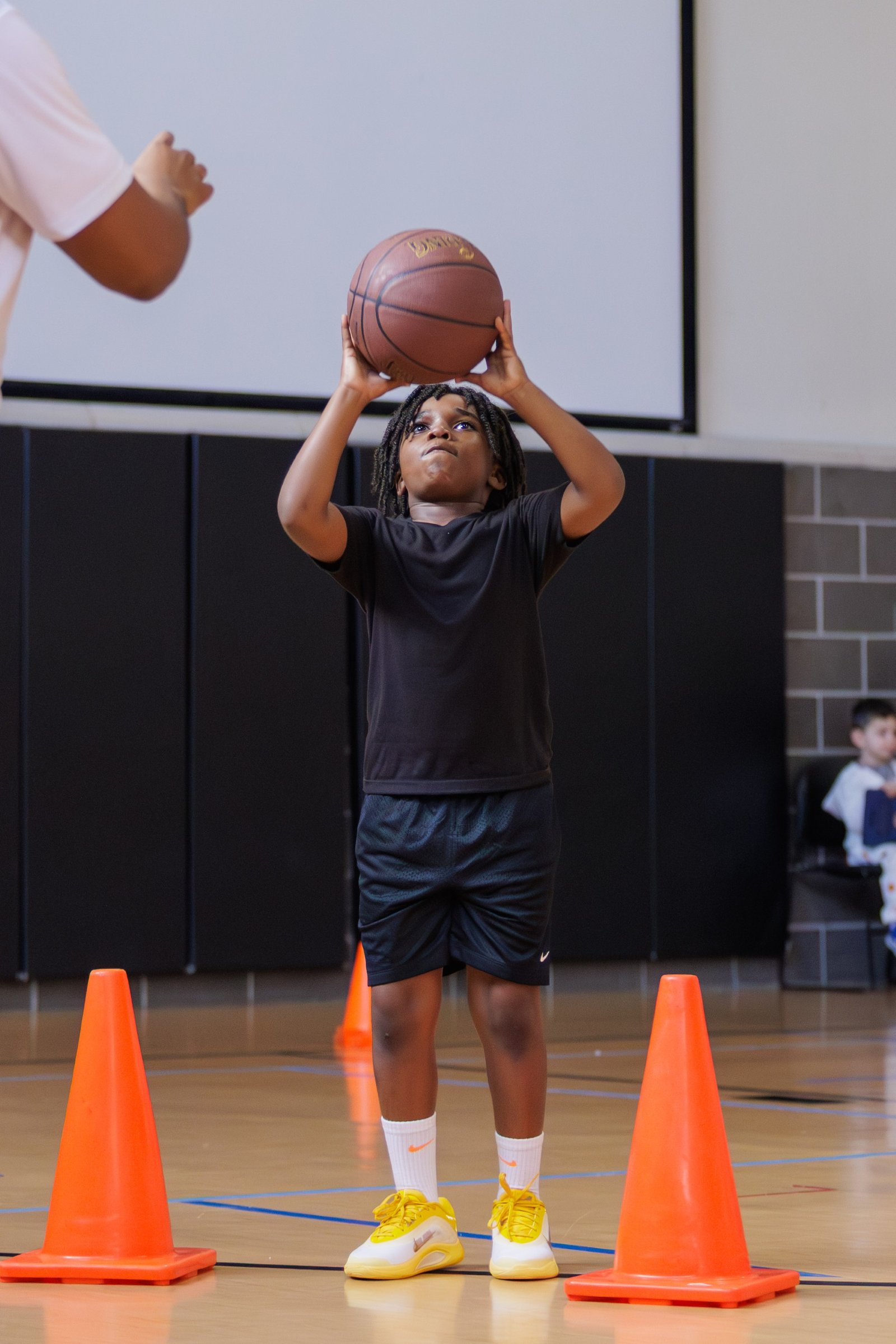
The Value of Coaches Who Teach the Beginning
There's nothing wrong with coaching experienced players. Advanced basketball requires a great deal of knowledge, along with the ability to teach increasingly complex skills and decisions. But some coaches naturally prefer working with children who already know how to play.
Experienced players can make a practice run more smoothly. They tend to understand instructions more quickly, and their abilities make improvement easier to see. With beginners, however, progress often happens in much smaller increments.
Consider a child who couldn't dribble a basketball last month but can now take five controlled dribbles without losing the ball. That accomplishment might not look particularly impressive next to a player who can dribble the entire length of the court, but for that beginner, it represents meaningful progress.
And the coach who helped that child reach the milestone has done important work.
I believe parents should appreciate coaches who have both the knowledge and the commitment to teach children at this level. Every skilled basketball player had to learn the basics somewhere, and those early lessons deserve just as much care and attention as the advanced ones.
Two Beginners, Same Program, Different Progress
Imagine two children who begin basketball classes during the same month. Neither has played organized basketball before, and both attend the same program, work with the same coach, and participate in the same activities.
After a few months, one child is dribbling comfortably and picking up instructions quickly, while the other is improving but still struggling with certain basic skills.
It's natural for parents to notice the difference, but starting at the same time doesn't mean children will develop at the same speed.
One child may have developed better coordination through another sport, while the other is still learning basic body control. One might practice basketball at home every day, while the other only handles a basketball during class. Some children understand a demonstration immediately, while others need additional explanations and repetitions before a skill begins to make sense.
Even within the same program, children bring different abilities, experiences, and learning needs. A good coach recognizes those differences rather than expecting every child to progress on an identical schedule.
The goal isn't to make every beginner look the same after a certain number of lessons. It's to help each child build on what they already know and continue moving forward.
Comparison Can Hide Real Progress
Let's return to those two beginners. Suppose one can now dribble the length of the court without losing control, while the other can only make it halfway.
If we compare them solely against each other, the first child appears to be doing better. But what if the second child couldn't dribble more than twice when they started? Now that child can move halfway down the court while maintaining control of the basketball. That's significant development, even if they're not yet performing at the same level as their classmate.
Of course, the first child deserves recognition for their progress, too. We don't have to diminish one child's accomplishments to appreciate another's.
Instead of focusing primarily on how their child compares with others, I encourage parents to consider where their child began and how far they've come. Think about what they could do during their first class, what they're capable of today, and which skills they're beginning to understand. There will always be areas that need improvement, but those shouldn't overshadow the progress that's already taking place.
A child's current skill level tells us what they can do today. Their progress tells us how far they've come. Both matter, but they aren't the same thing.
Patience Is Not an Excuse for Poor Teaching
There's another important point I want parents and coaches to understand. While it's true that every child develops at their own pace, we have to be careful not to use that statement as an excuse for ineffective instruction.
If a child continues to struggle with a skill, the coach should be asking questions rather than simply waiting for improvement to happen. Does the child understand the instructions? Is the activity appropriate for their current ability? Would more practice help, or is it time to try a different approach?
Sometimes a child needs more time, and sometimes they need different instruction. Often, they need both.
Good coaching requires paying attention to how a child learns and being willing to make adjustments along the way. It means taking responsibility for the quality of instruction rather than assuming every child will eventually figure things out on their own.
Parents should expect that level of care from their child's coach, and coaches should hold themselves to that same standard.
Give the Beginning the Respect It Deserves
When we watch a skilled young basketball player, we see what they're capable of today. What we don't always see are the early practices, the repeated corrections, and the moments when even the simplest skills seemed difficult. We may never know how much time and effort went into helping that player develop or who guided them through those early challenges.
That's why I believe coaches who genuinely know how to develop beginners deserve recognition. Not simply because they're patient, but because they understand how to turn that patience into meaningful instruction.
If your child is just beginning basketball, give them time to learn and pay attention to their individual progress. Resist the temptation to measure every improvement against another child, and remember that development doesn't always happen in a straight line.
Just as importantly, look for coaches who do more than keep children busy during practice. Look for coaches who teach, observe, correct, encourage, and adjust their instruction based on what each child needs.
Because a beginner doesn't need a coach who's impressed by what they can already do.
They need a coach who's committed to teaching them what they cannot do yet.
SPONSORED BY: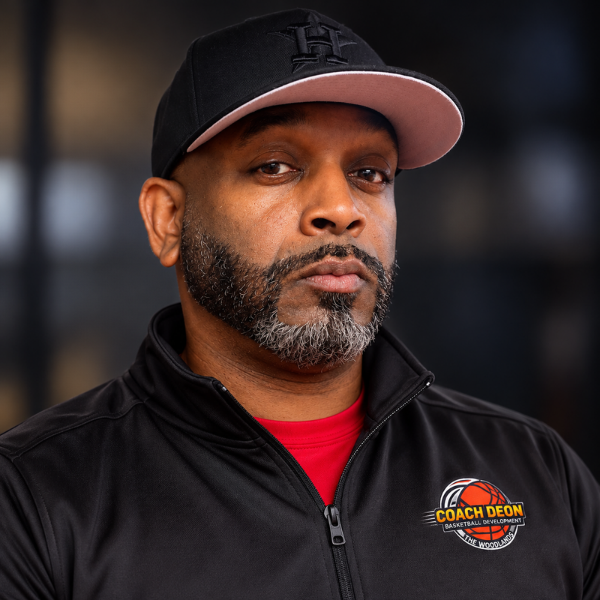
Coach Deon
The Woodlands’ Most Dedicated Coach
www.coachdeon.com
