



I want to win.
I don't think there's anything wrong with saying that. When my players step on the court, I want them to compete. I want them to care about the score. I want them to learn how to handle pressure, execute when the game gets difficult, trust their teammates and find a way to finish.
I don't believe we help children by pretending winning doesn't matter. But I've also coached children long enough to know that winning a youth basketball game and developing a young player aren't always the same thing. That's where adults have to be careful.
The Scoreboard Doesn't Tell the Whole Story
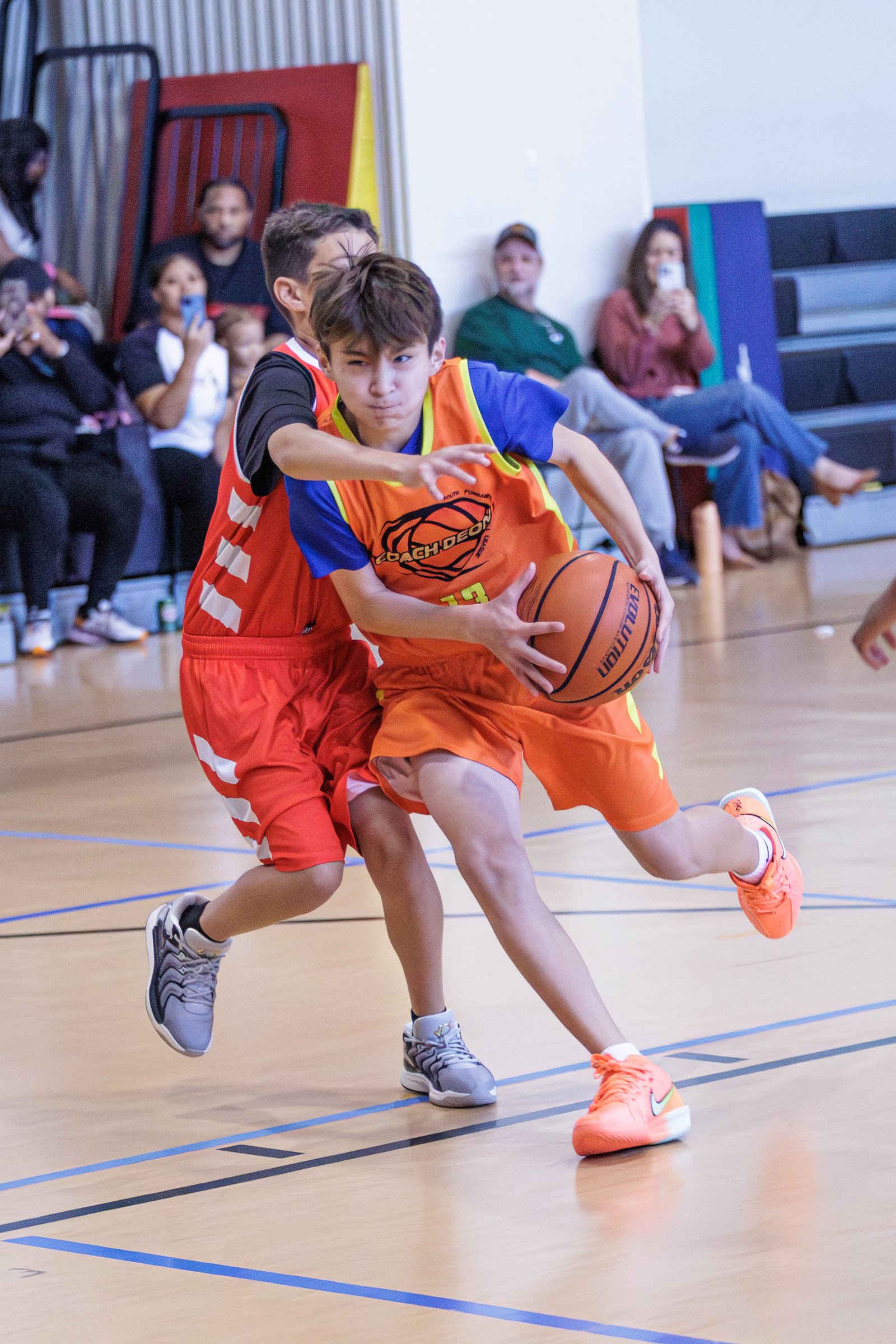
One of the interesting things about youth sports is that a team can be winning while some important parts of development are being missed. Maybe one player is bigger, faster or more skilled than everyone else, so the easiest solution is to give that player the ball over and over. Maybe a coach controls every possession from the sideline, telling players exactly where to stand, where to pass and what to do next. Maybe a player makes two mistakes and immediately comes out of the game because the coach can't risk another one.
Those decisions might help a team win today. But I think we also have to ask what the players are learning. Are they learning to make decisions? Are they learning to communicate? Are they learning to solve problems when something doesn't go according to plan? Are they learning how to respond after a mistake? Are they learning how to make the players around them better?
The final score can't answer those questions.
Sometimes Development Comes With a Little Risk
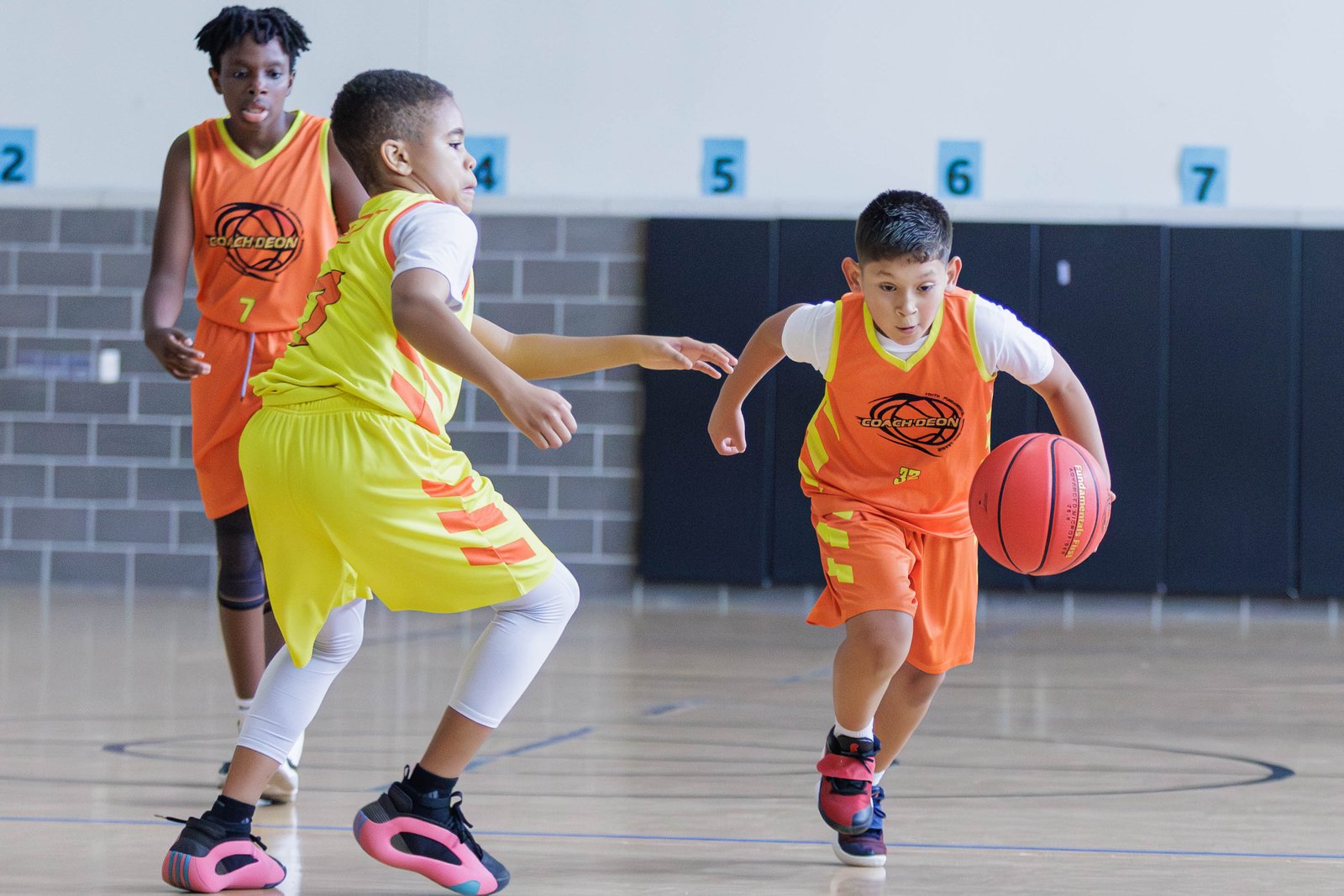
This is one of the harder parts of coaching young players. There are moments when I know exactly what would make things easier. I could put the ball in the hands of my best player every possession. I could make every decision from the sideline. I could immediately take a player out after a mistake. I could shorten the rotation every time a game gets close.
And there are competitive situations when coaches do have to make difficult decisions about lineups, roles and playing time. That's part of sports too. But if I solve every difficult situation for my players, eventually I have to ask:
When are they going to learn to solve those situations themselves?
Sometimes I have to let a player work through a tough stretch. Sometimes I have to watch a young player make a decision I wouldn't have made. Sometimes I have to give a player an opportunity to handle pressure before they're completely comfortable handling it.
And yes, sometimes that carries a little risk on the scoreboard. That's part of development.
But Development Is Not an Excuse
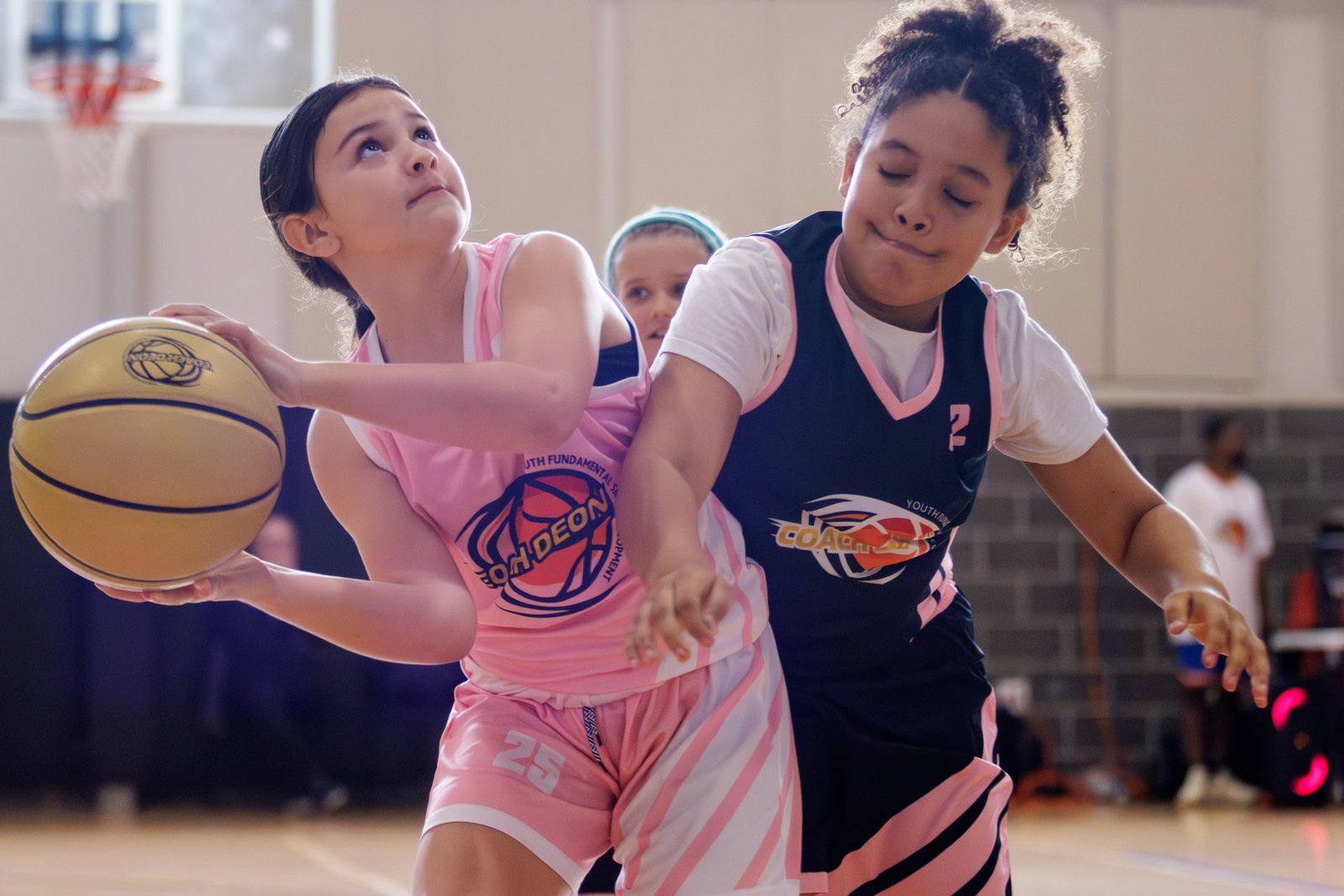
There's another side to this conversation that I think is just as important. Sometimes we talk about development in youth sports as though the result shouldn't matter at all. I don't believe that either.
Development shouldn't become an excuse for poor preparation, poor effort or a lack of accountability. If we're going to compete, we should prepare to compete. Players should learn to show up ready. They should listen. They should communicate. They should execute what they've practiced. They should be accountable to their teammates. They should learn that effort and preparation have consequences.
And when we lose, we don't have to pretend the loss doesn't matter. Sometimes the other team was simply better. Sometimes we didn't execute. Sometimes our effort wasn't good enough. Sometimes we weren't prepared.
Children can learn to face those truths without allowing a loss to define them. That's part of development too.
Learning How to Win
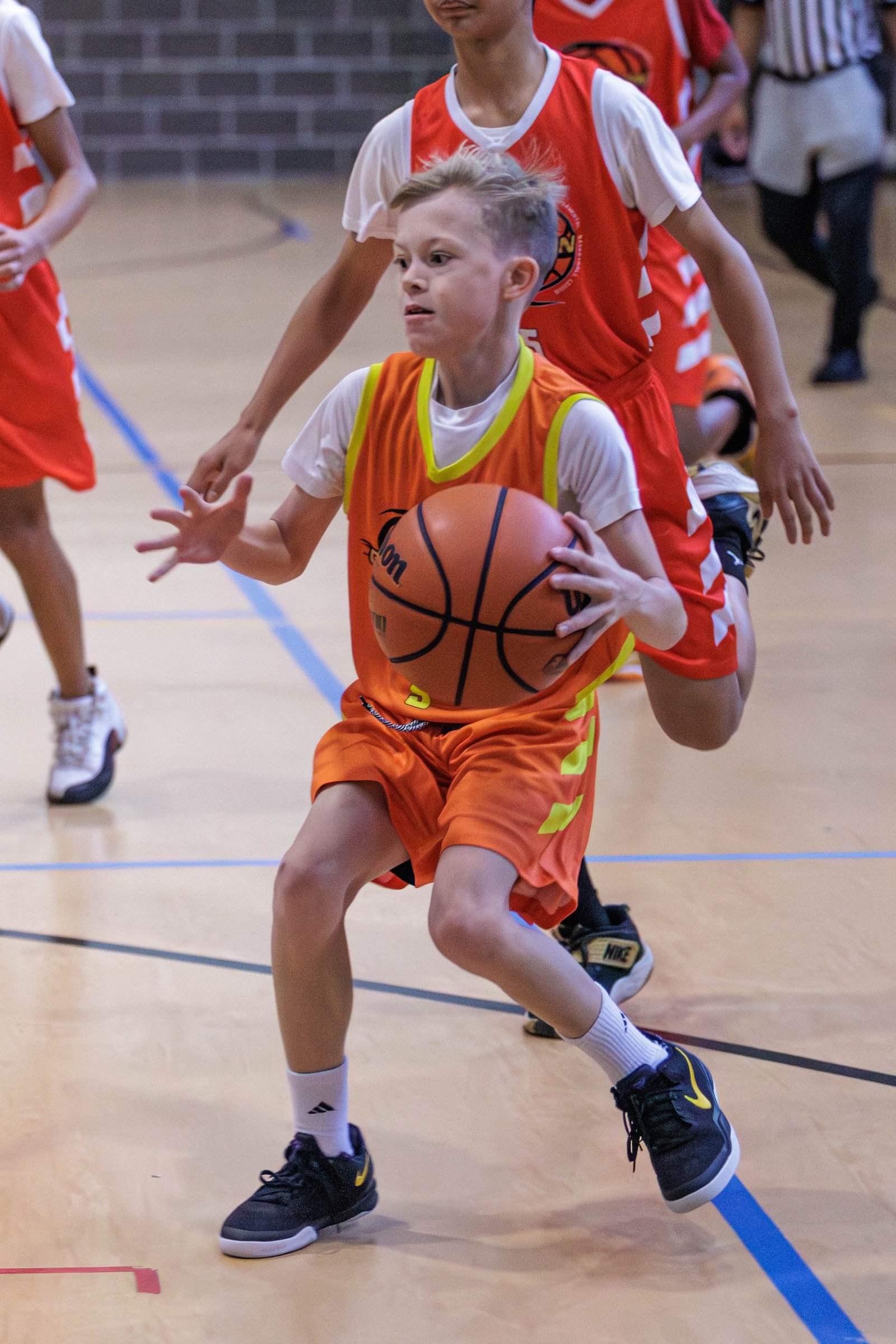
This is why I've never believed coaches have to choose between developing players and teaching them how to win.
We don't develop instead of winning. We develop while learning how to win.
And learning how to win means much more than learning how to finish with more points on the scoreboard. It means learning how to prepare before the game ever starts. It means communicating when things get difficult. It means trusting a teammate enough to make the extra pass. It means understanding that sometimes your role isn't the role you wanted.
It means making decisions under pressure. It means staying together when momentum changes. It means responding when an opponent punches back. It means learning how to finish.
It also means learning how to lose, shake someone's hand, listen to what needs to improve and come back ready to work. And eventually, children also have to learn how to handle success.
How do you act when you're the better team? How do you treat an opponent you just beat? Do you stay humble? Do you keep working? Do you understand that yesterday's success doesn't guarantee anything tomorrow?
Those lessons are part of learning how to win too.
Maybe We Need One More Question
Parents naturally want to know the score. I understand that. After a game, one of the first questions we ask is often:
“Did you win?”
I don't think we need to stop asking it. Winning is part of sports. Competition is part of sports. There's nothing wrong with children wanting to win or parents being excited when they do.
Maybe we simply put another question beside it:
“What did you learn about competing today?”
That question can lead somewhere different. Maybe your child learned they have to communicate more. Maybe they learned they can handle a difficult moment without falling apart. Maybe they learned that their team needs them even when they aren't scoring.
Maybe they learned that preparation matters. Maybe they learned how to respond to a mistake. Maybe they learned that sometimes you can do a lot of things right and still lose. And sometimes they learned what it feels like when preparation, teamwork and execution come together—and they win.
Those conversations help children understand that the result matters, but the result isn't the only thing that happened.
What Are We Really Trying to Win?
Years from now, most children won't remember the score of a youth basketball game. But that doesn't mean the score didn't matter in the moment. Trying to win gave them something to compete for. It gave them pressure to handle, teammates to depend on, decisions to make and disappointment to work through.
It gave them opportunities to prepare, execute, adjust, sacrifice and succeed together. That's why I don't believe development and winning have to compete with each other.
We teach. We prepare. We compete. We try to win. And through all of it, we develop.
We don't develop instead of winning. We develop while learning how to win.
SPONSORED BY:
Coach Deon
The Woodlands’ Most Dedicated Coach
www.coachdeon.com
